
Disclaimer: This article may contain affiliate links. As an Amazon Associate, we earn from qualifying purchases at no extra cost to you.
🌍 Note for International Readers: The images in this review feature the US (110V) model. However, our “Check Price” links are smartly geo-targeted. When you click, you will be automatically redirected to the correct local Amazon store (UK, CA, AU) showing the 220V/240V version with your correct local wall plugs.
When a massive winter storm or a summer grid failure plunges your neighborhood into darkness, you need reliable backup power. For decades, the only real option was a loud, fuel-thirsty traditional generator. However, in 2026, heavy-duty LiFePO4 battery technology has completely changed the landscape.
Now, homeowners are faced with a critical decision: choosing a solar generator vs gas generator.
Which one can actually run your refrigerator for days? Which one is safer to operate? And most importantly, which one offers the best return on your investment when disaster strikes?
In this comprehensive guide, we will settle the solar generator vs gas generator debate once and for all. We break down the noise levels, maintenance costs, and home integration capabilities to help you protect your family during the next blackout.
1. The Basics: How Do They Work?
Before diving into the pros and cons of a solar generator vs gas generator, you must understand how they operate.
- Gas Generators: These use an internal combustion engine to burn fossil fuels (gasoline, propane, or diesel) to create mechanical energy, which is then converted into electricity. They must be operated outdoors.
- Solar Generators: These are essentially massive, silent battery packs (portable power stations) equipped with an inverter. They store electricity generated from solar panels or your wall outlet, converting it into clean AC power for your appliances.
2. Safety and Noise (The Indoor Advantage)

The most significant difference in the solar generator vs gas generator matchup is safety and noise pollution.
- Carbon Monoxide Danger: Gas generators emit deadly carbon monoxide (CO) fumes. They must be kept at least 20 feet away from your home. You cannot run them inside a garage, basement, or living room.
- Silent and Safe: Solar generators produce zero emissions. Because they rely on LiFePO4 battery chemistry, they are 100% safe to operate right inside your kitchen or bedroom.
- Noise Pollution: Gas generators run at a deafening 70 to 85 decibels, which can anger neighbors and prevent you from sleeping. Solar generators are virtually silent, producing only a faint hum from internal cooling fans.
3. Maintenance and Fuel Costs

When calculating the true cost of a solar generator vs gas generator, you must look beyond the initial purchase price.
- The Gas Headache: Gas generators require constant maintenance. You must change the oil, replace spark plugs, and winterize the engine. Furthermore, during a widespread natural disaster, local gas stations often run out of fuel or lose power themselves, rendering your gas generator useless.
- Free Fuel: Solar generators require zero mechanical maintenance. Once you buy the unit and the solar panels, your “fuel” is completely free. As long as the sun rises, you can generate clean, limitless electricity without ever waiting in line at a gas station.
4. Power Output & Home Integration
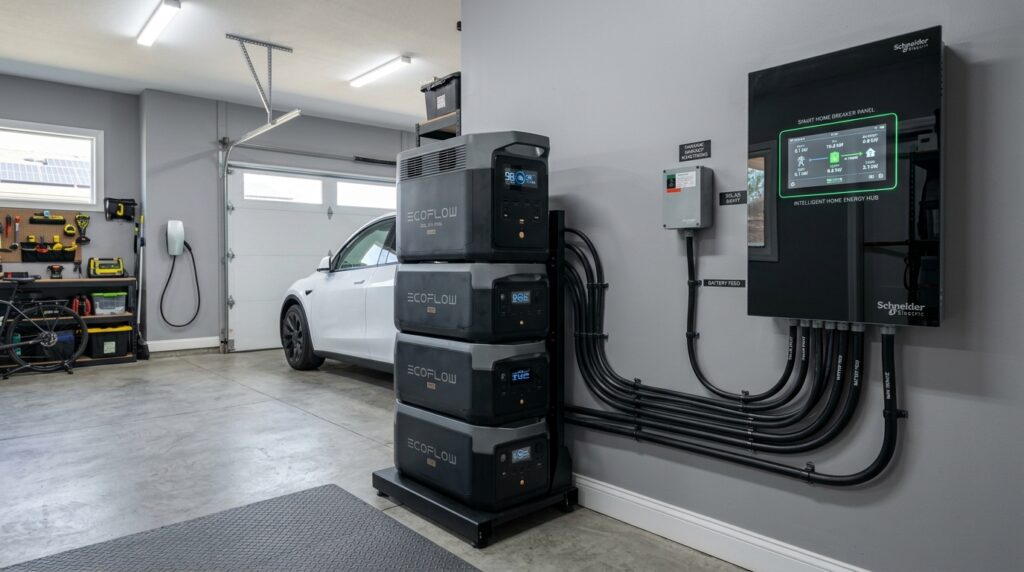
Historically, gas units won the solar generator vs gas generator debate regarding raw power output. But in 2026, that is no longer true.
Modern heavy-duty solar generators now feature massive inverters that output 6000W to 7200W of 240V power. This is more than enough to run your central air conditioning, well pump, and electric oven.
More importantly, top-tier solar generators can be directly wired into your home’s breaker panel using a Smart Home Panel or a transfer switch. When the grid fails, the battery system takes over your entire house automatically in under 20 milliseconds.
Are you looking for a battery system capable of powering your entire house? Read our heavily researched guide: 3 Best Whole Home Battery Backup Systems (2026): Say Goodbye to Gas.
Final Verdict: Solar Generator vs Gas Generator
So, who wins the ultimate solar generator vs gas generator battle? In 2026, the answer is clear.
If you are on a very strict budget and only need temporary power for a few hours, a cheap gas generator will get the job done.
However, if you want a silent, maintenance-free, and fume-free system that is safe to use indoors, the solar generator is the absolute winner. Investing in a high-capacity LiFePO4 solar generator provides you with endless, free electricity from the sun, giving you true peace of mind during extended grid failures.
FAQ
Can a solar generator run a refrigerator?
Yes, absolutely. A premium 2000Wh solar generator can easily run a full-size kitchen refrigerator for 14 to 20 hours on a single charge. If you leave the solar panels connected during the day, it can run your fridge indefinitely.
Which is cheaper in the long run: solar generator vs gas generator?
While a gas generator is cheaper upfront, the cost of constantly buying fuel, performing oil changes, and replacing parts makes it more expensive over a 10-year period. A solar generator has a higher upfront cost but provides free electricity for over a decade.
Can I run a gas generator in the rain?
No. Operating a standard gas generator in the rain or snow without a specialized protective tent can cause electrocution or permanently damage the engine. Solar panels, however, are waterproof and can be left outside in any weather.